

The Continuous Improvement Framework
Learn how to connect reflection, feedback, and improvement in a repeatable loop.

In most organizations, project closure is marked by a rush to the next task. The team is disbanded, a final report is filed, and the critical time needed for reflection is eliminated.
The tragic consequence is that the same predictable failures (missed dependencies, communication gaps, unrealistic estimates) reappear in the very next project.
This repetition of failure is not due to a lack of effort; it is due to a lack of institutionalized learning.
The Task Manager completes a project and moves on. The Project Leader completes a project and treats it as a laboratory for the next.
The Leader understands that knowledge is the only non depreciating asset a project creates. Continuous improvement is not an option; it is a discipline that systematically captures and applies that knowledge to raise the organization’s overall capability.
This framework integrates the philosophy of Kaizen (continuous, incremental change) into the project lifecycle. It acknowledges that human beings find large, revolutionary change daunting, but are highly effective at making small, manageable adjustments.
Our goal is to create a predictable system where improvement is a cultural expectation, not a one time activity.
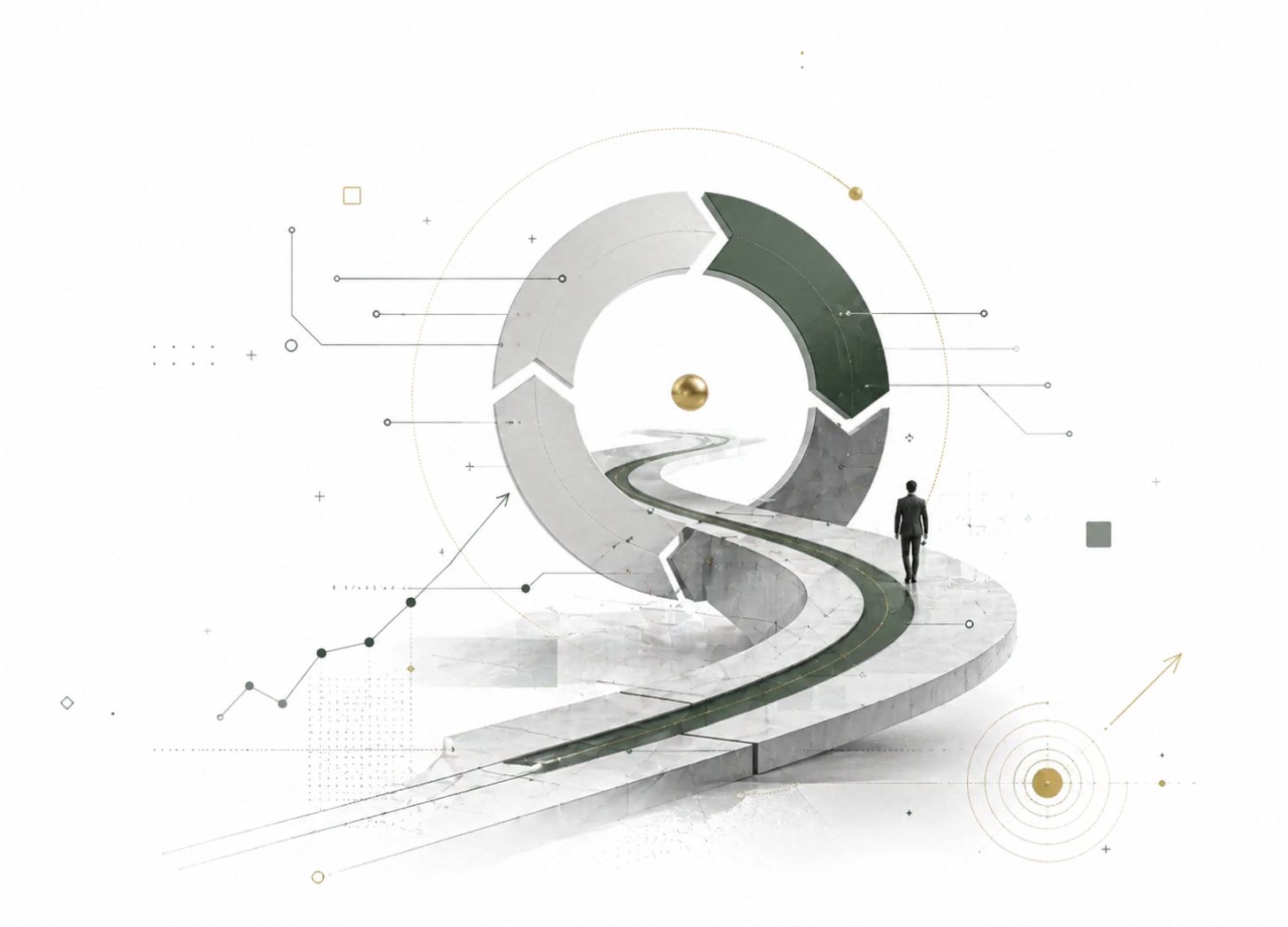
The Continuous Improvement Framework is a rigorous, three part methodology for building this repeatable learning loop:
Reflection Discipline: Structuring the process to capture objective, verifiable data about performance.
The Learning Translation Protocol: Moving insights from abstract discussion to actionable, accountable tasks.
The Institutional Memory Loop: Formalizing the application of lessons across the entire organization.
Keep reading with a 7-day free trial
Subscribe to Project Management Compass to keep reading this post and get 7 days of free access to the full post archives.